


TL;DR:
Many women quietly push through daily fatigue, constant worry, and deep emotional strain without realizing these are warning signs. Recognizing the signs of mental illness in women is the first vital step toward feeling calm, supported, and grounded again. Professional, compassionate care helps women rebuild their strength and reclaim peace in daily life.
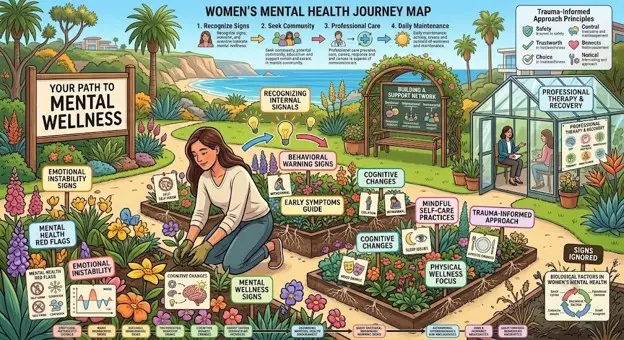
What Are the Key Signs You Should Never Ignore?
Many women try to do everything for everyone else. You carry heavy daily responsibilities, manage family needs, and maintain work routines. Because of these expectations, it is easy to ignore your own well-being until emotional exhaustion sets in. Learning to spot the signs of mental illness in women can save you from reaching a complete breaking point. When you notice these subtle shifts early, you give yourself the opportunity to heal with expert support.
Women often experience mental health challenges differently than men due to unique biological factors, hormonal shifts, and societal pressures. Anxious thoughts or persistent low mood can start small. Over time, these feelings can quietly disrupt your work, your sleep, and your personal relationships. Knowing what to look for helps you protect your emotional balance before burnout takes over.
1. Subtle Physical and Emotional Shift Indicators
Early changes in mental wellness rarely appear overnight. Instead, they begin with quiet shifts in how you feel each morning. You might notice early symptoms of mental health issues like constant tiredness that sleep does not fix. Everyday tasks that once felt simple can start to feel like heavy chores.
Hormonal fluctuations during pregnancy, postpartum periods, or menopause can also intensify these feelings. Research from the National Institute of Mental Health shows that unique biological and hormonal experiences make women particularly susceptible to mood disorders. Recognizing these subtle shifts is essential for timely care.
- Ongoing physical exhaustion without a medical cause
- Frequent feelings of dread or unexplained nervousness
- Losing interest in hobbies, friends, or family time
- Sudden shifts in appetite or sleep patterns
When you notice these early signals, taking action early prevents deeper distress. You can discover helpful resilience strategies through Protective Factors in Mental Health That Build Resilience.
2. Behavioral Shifts and Daily Functioning Impact
When emotional pressure grows, it starts to change how you act in daily situations. You might catch yourself pulling away from social events or avoiding calls from loved ones. These behavioral warning signs women display often point to overwhelming internal stress.
Many high-achieving women continue to show up for work and family while secretly feeling completely empty. This condition makes daily life exhausting because every task requires double the effort. Exploring specialized options like High-Functioning Depression Treatment can help you step out of survival mode and find true daily relief.
| Warning Category | Common Daily Signs | Impact on Daily Functioning |
| Social Habits | Isolation, cancelling plans, withdrawing from loved ones | Loss of support network and growing feelings of loneliness |
| Work Performance | Procrastination, missed deadlines, trouble starting tasks | Increased work stress and reduced professional confidence |
| Physical Self-Care | Skipping meals, irregular sleep, neglecting personal routines | Reduced physical energy and lower immune health |
| Emotional Reactions | Quick temper, frequent crying spells, feeling detached | Strained family ties and difficulty managing daily stress |
According to diagnostic clinical data published by the Centers for Disease Control and Prevention, depression symptoms directly interfere with daily living, sleep, and working ability if left untreated. Getting structured help helps you regain control over your routines.
3. Understanding the Top Signs of Mental Illness in Women
Mental health challenges reveal themselves across physical, emotional, and mental dimensions. Being aware of the primary signs of mental illness in women helps you identify when professional support is needed.
- Unexplained Mood Changes and Emotional Instability Signs
Frequent mood swings or sudden angry outbursts often indicate deep underlying distress. You might feel fine one minute and completely overwhelmed or tearful the next. These emotional instability signs reveal that your nervous system is overloaded and needs gentle care.
- Critical Mental Health Red Flags You Should Not Ignore
Certain symptoms require immediate attention. Severe panic attacks, deep hopelessness, or turning to unhealthy coping habits are critical mental health red flags. Ignoring these signs allows emotional pain to grow, making recovery take longer.
- Brain Fog and Cognitive Changes: Mental Illness Causes
Mental health struggles do not only affect your feelings; they also impact your brain. Experiencing memory lapses, poor concentration, or constant confusion are common cognitive changes mental illness can bring. When your brain feels foggy, making simple daily decisions becomes stressful.
To learn more about how gender-specific factors influence mood, read Women’s Mental Health and Depression: What Gets Missed.
4. Why Women Delay Seeking Mental Health Support
Many women wait months or years before asking for help. Society often teaches women to be caregivers first and put their own needs last. You might tell yourself that your stress is normal or that other people have it worse.
Self-doubt and fear of judgement can also keep you silent. You might worry about being seen as weak or unable to handle your responsibilities. However, asking for help is an act of courage, not weakness. Professional programs like Women’s Mental Health & Trauma Services in Orange County offer compassionate environments designed specifically to support women without judgment.
Unprocessed trauma and chronic stress can stay stored in the body for a long time. Utilizing trauma-informed practices like Mindfulness and Relaxation Practices for Women allows your mind and physical body to release tension safely.
5. Effective Ways to Support Your Healing Journey
Healing begins with acknowledging that you deserve support and care. You do not have to navigate difficult emotions alone or figure out every step by yourself.
- Reach Out to Professionals: Connect with licensed therapists who understand women’s specific mental health needs.
- Build a Support Network: Share your feelings with trustworthy friends, family members, or support groups.
- Practice Mindful Self-Care: Set simple boundaries at work and home to protect your energy each day.
- Focus on Physical Wellness: Prioritize consistent rest, gentle physical movement, and balanced nutrition.
Taking small, steady steps toward healing helps you recover your sense of self and build long-term emotional strength.
Finding Your Path to Clarity and Healing
Experiencing mental health challenges does not mean you have failed. It simply means you have been strong for too long without enough support. Recognizing the signs of mental illness in women empowers you to seek the compassionate care you need. With evidence-based therapies, personalized care plans, and a safe community, you can move past survival mode into a life filled with peace and balance.
Frequently Asked Questions
What are the most common early warning signs of mental distress in women?
Early warning signs include constant tiredness, sudden mood changes, trouble sleeping, and losing interest in daily activities. You might also pull away from friends or feel nervous without a clear reason.
How do hormonal changes impact a woman’s emotional health?
Hormonal shifts during periods, pregnancy, postpartum stages, or menopause alter brain chemicals. These natural biological shifts can trigger anxiety, sudden sadness, mood swings, or deep emotional fatigue in many women.
What is the difference between daily stress and a serious mental health issue?
Daily stress usually passes once a complicated situation ends. A serious mental health issue lasts for weeks, interferes with your daily tasks, and causes continuous emotional or physical distress.
Can mental health issues cause physical pain in women?
Yes, mental health struggles often show up physically. Women frequently experience chronic headaches, stomach issues, muscle tension, and ongoing fatigue when dealing with underlying anxiety, trauma, or depression.
What should I do if I notice warning signs in myself?
Start by talking to a compassionate mental health professional or doctor. Reach out to trusted loved ones for support and explore specialized care programs made specifically for women’s recovery.
Why do women experience higher rates of anxiety and depression?
Women face unique combinations of biological factors, hormonal changes, trauma risks, and social pressures. Caregiving demands and societal expectations also contribute to higher stress levels and emotional exhaustion.
How can I help a female loved one showing mental health warning signs?
Listen with care and without judgment. Offer practical help with daily tasks, encourage her to speak with a professional, and reassure her that asking for support is a sign of strength.
Is high-functioning depression common among busy women?
Yes, many women maintain busy schedules and care for others while feeling empty inside. High-functioning depression allows you to handle responsibilities, but it leaves you exhausted, numb, and overwhelmed.
What professional treatment options work best for women?
Evidence-based approaches like cognitive behavioral therapy, trauma-informed care, mindfulness, and women-only support groups work very well. Personalized care plans help women heal safely and rebuild long-term emotional resilience.
Key Takeaways
- Listen to Early Signals: Constant fatigue, sleep shifts, and quiet withdrawal are key signs that your mind needs rest.
- Mind and Body Connection: Emotional strain often causes physical issues like tension headaches, stomach discomfort, and brain fog.
- Specialized Care Matters: Women-focused care addresses unique biological factors, life transitions, and trauma safely.
- Seeking Help Is Power: Reaching out for professional guidance breaks the cycle of burnout and restores long-term well-being.
Reclaim Your Peace and Emotional Strength Today
You do not have to carry heavy stress, constant worry, or deep exhaustion all on your own. Taking the first step toward mental wellness can feel overwhelming, but you deserve compassionate care that honors your unique story. Professional guidance provides the exact tools, space, and support you need to feel grounded and whole again. Contact a dedicated women’s mental health specialist today to begin your journey toward lasting healing, emotional balance, and peace of mind.